In this article
Does live music work during the wedding breakfast?
Live music during the wedding breakfast is one of those ideas that can sound either brilliant or completely impractical depending on how you imagine it.
If you imagine a full-volume performance while everybody is trying to eat soup and speak to the person opposite, no thanks.
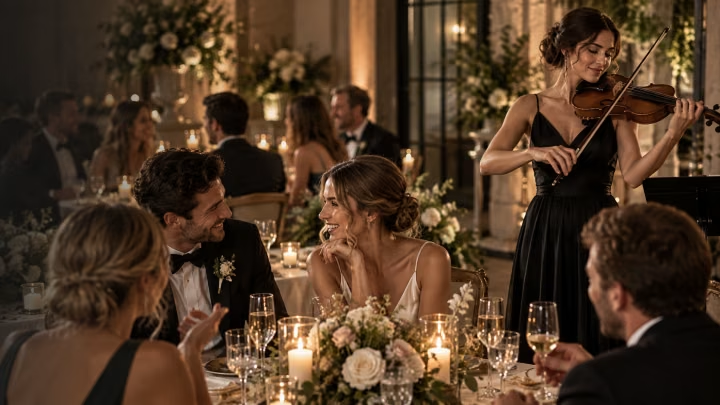
If you imagine a musician shaping the atmosphere around the meal and lifting the room at the right moments, it can work extremely well.
The music is there to support the meal
The wedding breakfast is still a meal.
Guests want to talk. Staff need to serve food. The photographer may be moving through the room. The venue may need to make announcements.
Live music needs to fit around all of that.
I treat this part of a wedding very differently from a feature set later in the day.
Start with the room, not the playlist
A small dining room with forty people needs a different approach from a ballroom with 150.
In a large room, music can help connect the space and stop quieter sections feeling empty.
In a smaller room, the sound needs more restraint because guests are physically closer to the performance.
The room decides the level before the song choice does.
Familiar melodies work well over dinner
People do not need to watch every note to enjoy live music at a meal.
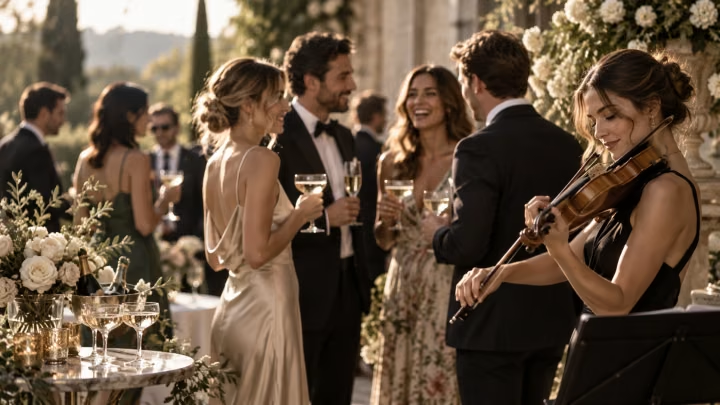
Recognisable pop, film music, soul, classical crossover and lighter arrangements work well because guests can dip in and out of listening.
You can still include personal requests, but I would avoid turning every track into a massive showpiece.
Save some of that energy for later.
There are natural moments to lift it
The room changes during a wedding breakfast.
At the start, guests are settling. During the main course, conversation is normally at its busiest. Between courses, people get up, move around and the energy often rises.
That is where a more upbeat track can work brilliantly.
You can create little peaks without making the whole meal feel like a concert.
Speeches need complete space
If speeches are happening during or after the meal, the music should stop.
Nobody wants violin underneath a best man's story or a parent's speech.
This sounds obvious, but it is another reason the running order needs sharing with suppliers.
If speeches move earlier or later, tell the musician. It is very easy to adapt when everybody knows what is happening.
Consider where the musician is positioned
The prettiest corner is not always the best place.
You need enough room for equipment without creating a service obstacle, and you want the sound to reach the room evenly.
A central position can work well in a large space, but in some venues the sensible answer is to stay nearer one end and use the sound system properly.
The venue team normally knows where entertainment has worked before.
What about surprise table-to-table playing?
That is a different style of performance.
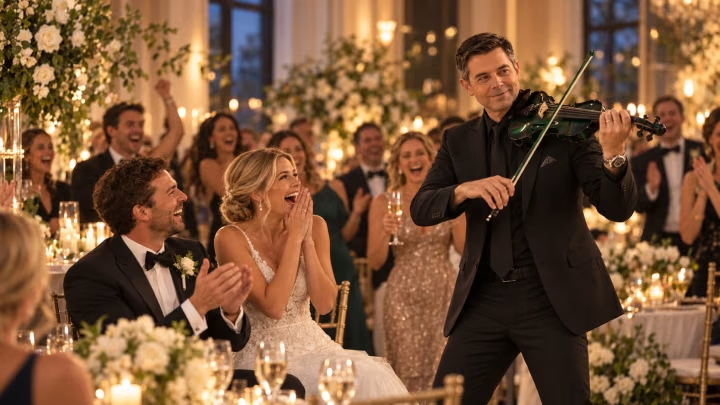
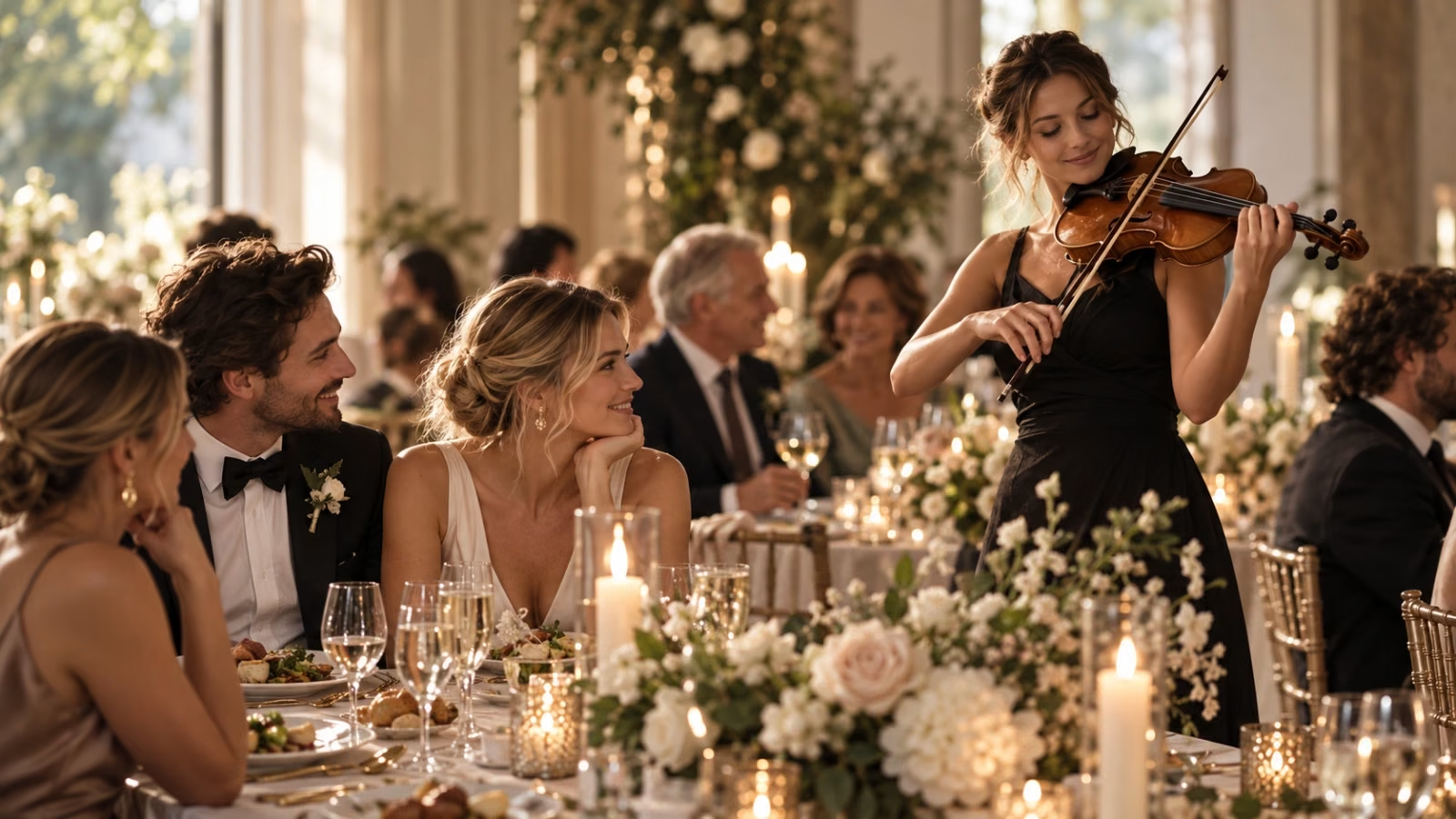
Some musicians specialise in roaming between tables and creating very interactive moments. Electric violin can also be used as a feature in the room, but that should be planned deliberately rather than happening accidentally during service.
If you want a big interactive moment, choose the time for it rather than expecting the whole meal to operate at that level.
It can bridge the gap before the evening
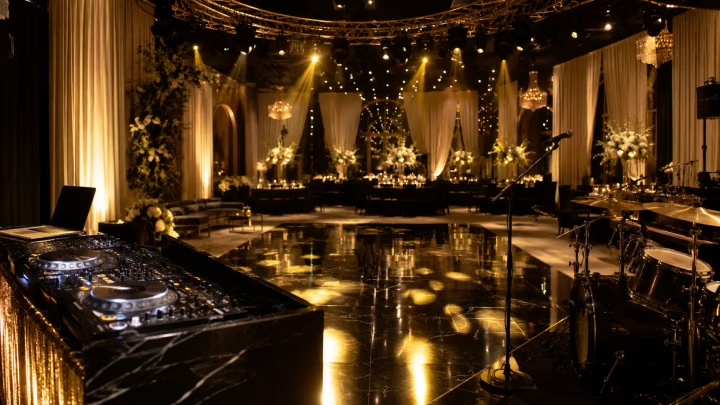
One of the advantages of live music at the wedding breakfast is that the day does not lose momentum after drinks.
There can otherwise be a noticeable drop while guests sit down, wait for food and settle into the meal.
Music keeps the atmosphere connected without needing everybody to be dancing.
The best version is responsive
A wedding breakfast set should not feel locked to a rigid list.
If the room is chatty, I can keep the music underneath it. If people start reacting, I can lean into that. If food service needs space, I can pull back.
That responsiveness is what makes live music work during a meal.
It is not about performing harder.
It is about knowing when not to.